Guangxi quanran ecological agriculture science and technology development co., ltd
"Food is the first priority for the people, and safety is the first priority for food". With the rapid development of China’s economy, people’s requirements for living and working environment and food quality are increasing day by day. However, with the development of industrialization, China’s ecological deficit is expanding day by day, environmental pollution is becoming more and more serious, water resources are seriously damaged, and food safety is even more worrying. People are eagerly looking forward to eating more safely and healthily and jointly promoting a healthy trip to China.
Guangxi Quanquan Ecological Agriculture Science and Technology Development Co., Ltd. (hereinafter referred to as Quanquan Ecological Company), located in the beautiful southern scenic spot of Xixiangtang, Nanning, Guangxi, is committed to soil improvement, environmental management, ecological agriculture and food safety, and is committed to restoring the land that has been damaged by chemical fertilizers, pesticides, hormones, weeds and other harmful substances for more than 40 years. Solve the problems of soil hardening, excessive heavy metals, pesticide and fertilizer residues, and return the land to the natural ecology.
Only the green plants in natural ecology can release a large number of negative oxygen ions for human beings, and become ecological balance, birds and flowers, and natural harmony. When air, water and food, the three elements on which human beings depend for survival, are all changed with high quality, people’s health will be guaranteed to some extent. Health is the ultimate goal pursued by human beings. Only when the whole people are healthy can the whole people have a well-off life and a healthy China be realized. The "Chengshengyuan Energy Liquid" developed by Quanquan Ecological Company makes the growing environment of plants gradually return to the ecology and the truth. Take practical actions to reduce or stop the use of tens of millions of tons of pesticides, fertilizers and other harmful chemical products, and solve the source of food safety, so that the air and water pollution problems in China can be relatively improved.
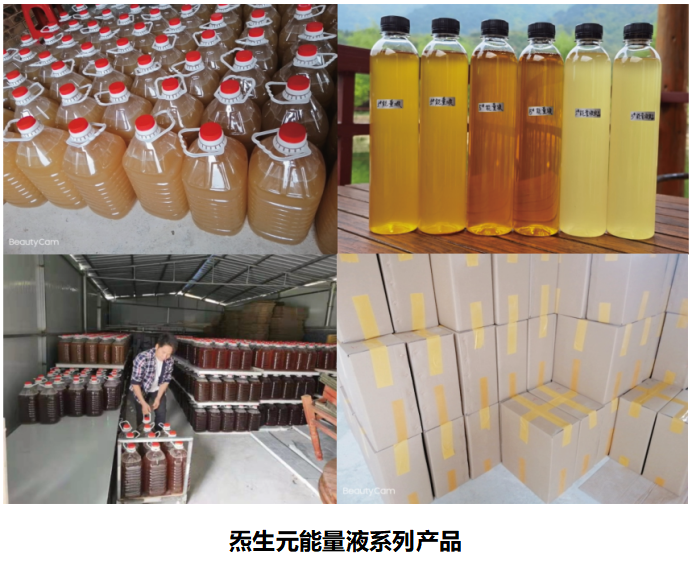
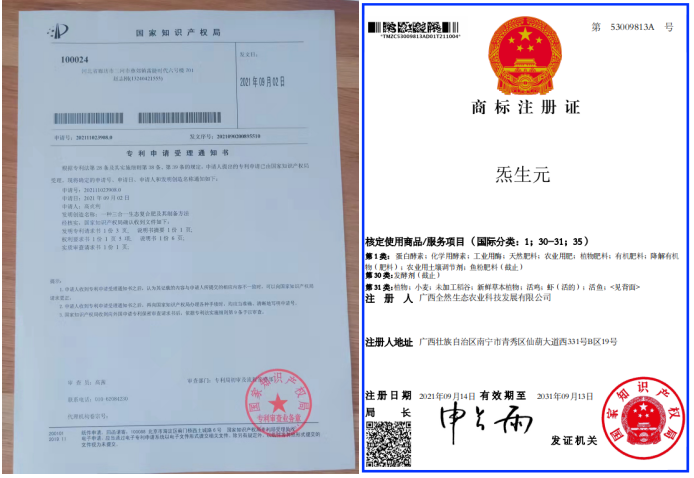
Shengshengyuan Energy Liquid has related patented technology, which uses the stems and leaves of nontoxic, clean and fresh plants that have not been applied with pesticides and fertilizers and original ecological green plants as raw materials. First, after strict inspection, screening and crushing, it is soaked in a large customized container according to a scientific proportion of ecological stock solution, and then through completely unique innovative patented technology, the holographic nutritional energy and plant activity of plants are converted by energy in a sterile and sealed phosgene water energy room, and the (blood) chlorophyll of plants is retained. It transforms the holographic nutrition that plants absorb the essence of heaven and earth, tangible and intangible plant light, plant nerve, plant self-repair ability, etc., and replaces the holographic army of plant life structure, that is, all nutritional energy and conditions needed for plant life growth, rather than a single supplement of nitrogen, phosphorus and potassium at the level of modern scientific cognition. Plants, animals and humans all need natural and holographic balanced nutrition.
For example, in the 1950s and 1980s, when people were young, they often didn’t have enough to eat. They ate a tortilla or a sweet potato in the morning and only had porridge when they came back from school at night. At that time, many active children could jump off the tree pottery bird’s nest at a height of five meters and eight meters, and there were few broken bones. However, today’s children begin to scientifically supplement calcium, iron, zinc, selenium, various nutrients, protein, etc. from birth, and drink various dairy products every day, but their immunity is still low. Including today’s middle-aged and elderly people and patients with various diseases, basically there is no shortage of nutrients, but it is still unsatisfactory, and the physical function is getting worse. The centenarians who can live in the mountains have never made up for anything, but they can dig medicine and carry water in the mountains. They are healthy and energetic. History has proved that what human health needs is balanced holographic nutrition between man and nature. Holographic balanced nutrition comes from holographic food, which comes from natural foods and ecological plants that conform to the laws of nature, including all kinds of poultry meat foods that conform to the laws of natural growth, instead of fast-growing hormone foods such as chickens, ducks, pigs, cows, sheep and rabbits that are artificially raised against the laws of nature today. The products of Total Ecology Company are taken from the energy of natural plants and used in fields, returning to nature, naturally, naturally, so as to improve and restore the land that has been used for 40 years with chemicals.
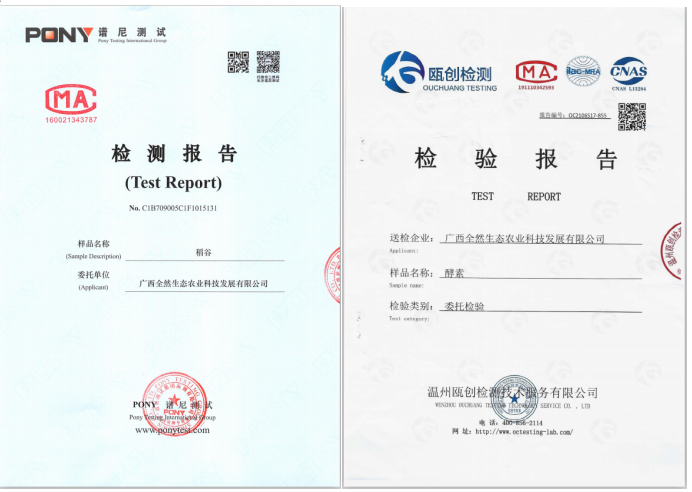
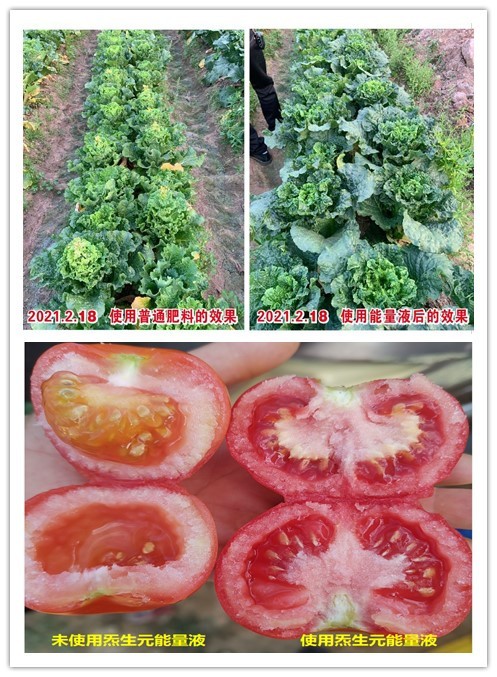
The technology has been repeatedly researched and developed by the R&D team and applied technical experts, tried out and practiced, and tested by the relevant authorities of the third country. It is proved that the soil hardening problem with the energy liquid of Xieshengyuan has been greatly improved. With developed roots, the grain, vegetables and fruits planted not only increase the yield by 15%-50%, but also improve the quality and appearance in an all-round way. The taste is completely back to our childhood feeling, and the nutrition is balanced, so it can be said that it has the performance of functional safe food.
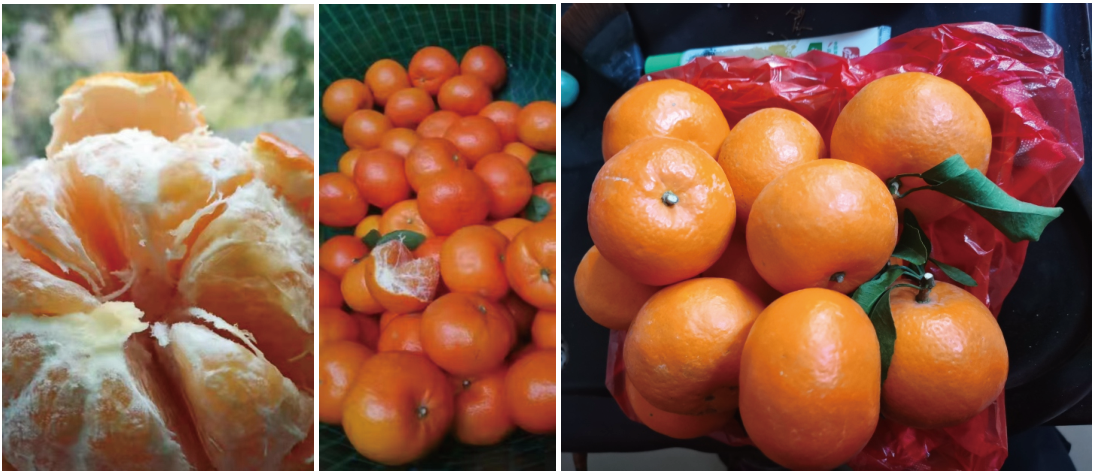
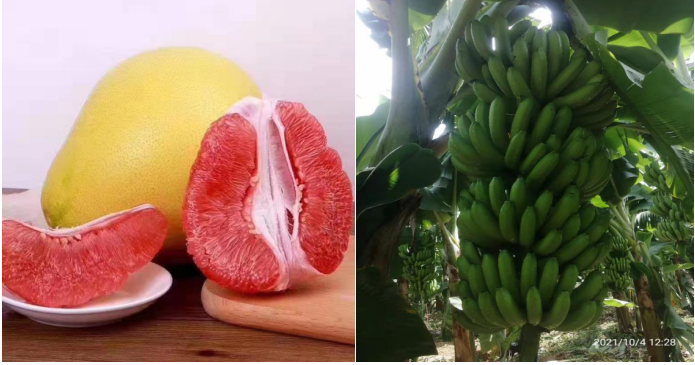
In particular, it is super antioxidant. For example, the Wuming Wogan picked on January 20 this year was off for the whole company during the Spring Festival, and the staff didn’t return to the company until mid-April. When they opened the room, they found that the Wogan placed on the desk for more than three months was still very good, and it was still very good to share with dozens of people at the meeting. The energy liquid litchi was transported to Beijing by express truck with a high temperature of over 40 degrees four days later. On the fifth day, the customer tasted the original litchi. The most incredible thing is that the output of mulberry fruit after using energy liquid is three times that of conventional management, and it has not changed flavor at room temperature after being put in plastic bags for 7 days.
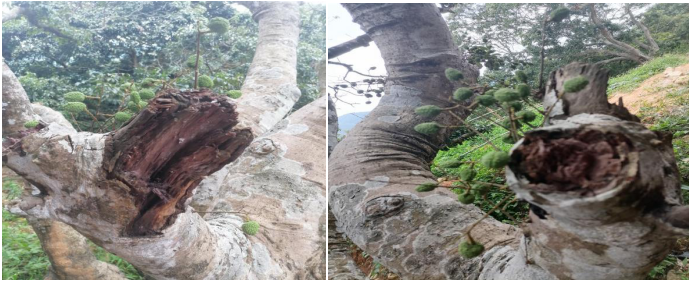
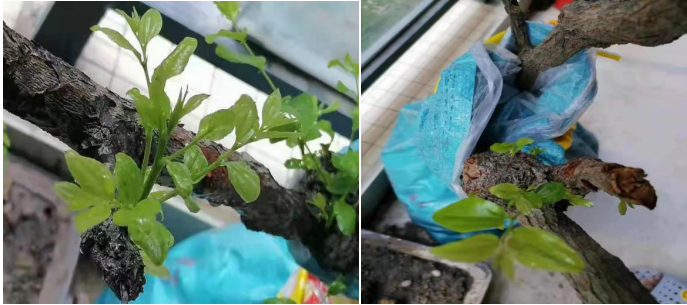
The dried jujube roots that have been exposed to the strong wind for more than 20 days in the bag, only one energy solution from the bottle cap of mineral water, turned out to be dead in spring, and it has been flourishing for 6 days and there are still a few buds; After spraying energy liquid on litchi trees in Lingshan base for a hundred years, the broken branches and decayed places are also fruitful. There are countless related cases.
The application and popularization of energy liquid is a healthy agricultural production mode with all factors and a scientific and technological measure for agricultural innovation and development. Chengshengyuan energy liquid has fertilizer efficiency, but it is not only a fertilizer. It promotes crop growth from the dimension of agricultural total factor information, improves soil, water quality, photosynthetic rate, reduces loss rate, promotes green quality level, improves oxidation resistance, ensures consumer health, soil health, water and gas health, detoxifies and reduces pollution, promotes vitality, and protects biodiversity. It is a healthy agricultural production mode with all factors. The products of Complete Eco-company improve the coordinated development of agricultural industry and expand the value-added space of agriculture. Promote the development of green feed in agriculture, animal husbandry, fishery and aquaculture, digest the straw in the field with the raw materials of new technology, and use the waste to increase the value. Improve barren soil such as barren hills, saline-alkali land and mine land quickly, and improve greening efficiency and tree planting survival rate.
Since January 16th, 2021, the energy liquid developed by Quanquan Ecological Company has been used in tomatoes, peppers, mulberries, cucumbers, bitter melons, sweet corn, leaf-eating grasses, water spinach, coriander, beans, grapefruit, litchi, longan, chestnut wax gourd, watermelon, cantaloupe, pitaya and wogan. Many test reports such as rice, black-skinned wax gourd, litchi and mango have reached the ecological green standard.
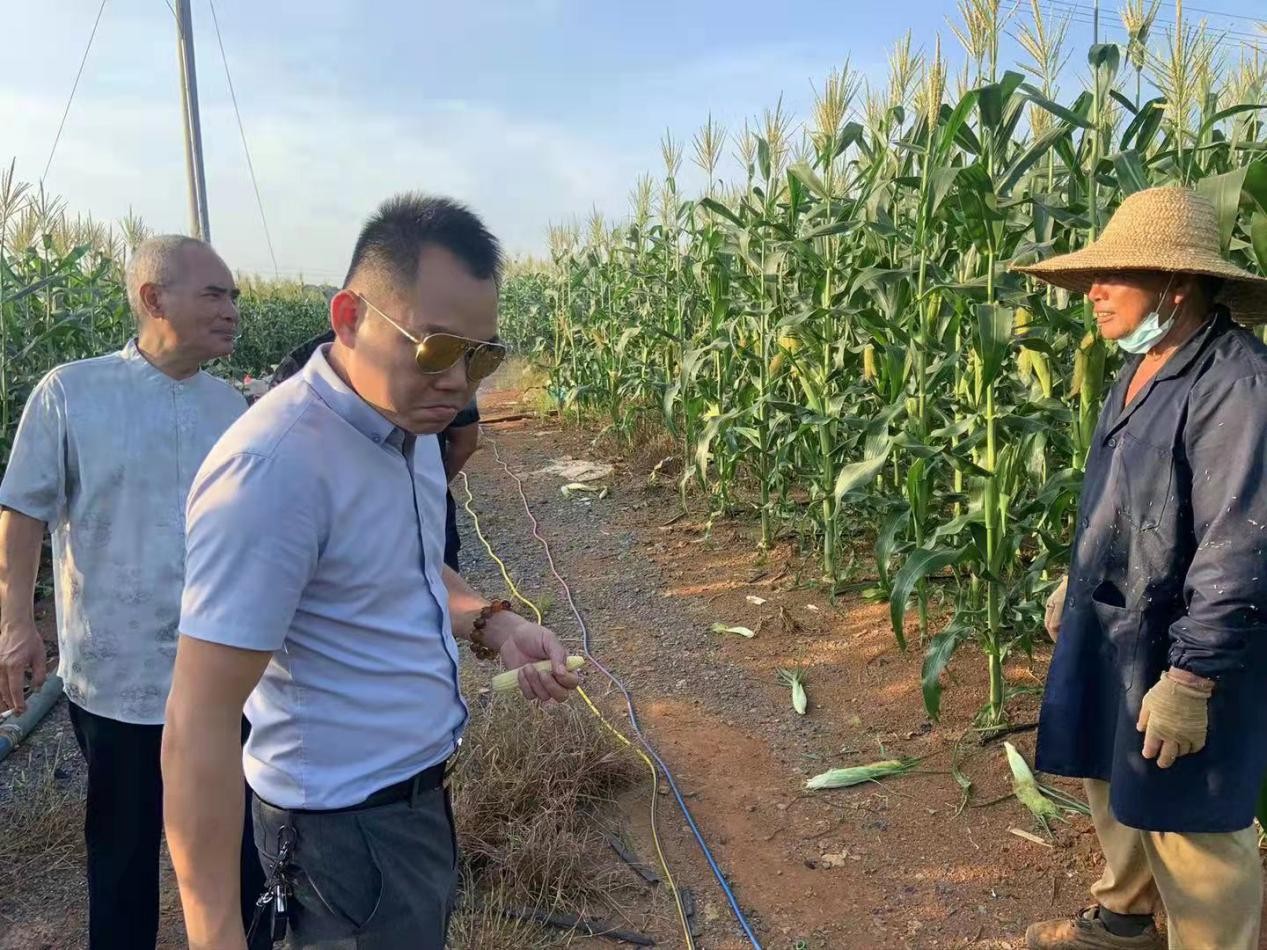
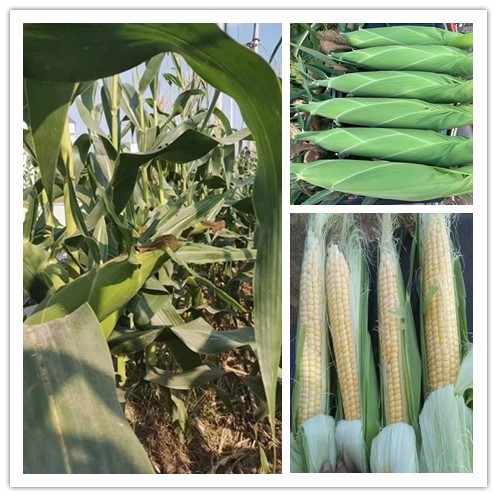
Taking 100 mu of ecological sweet corn in Hengzhou City, Guangxi as an example, the yield of corn with ecological energy liquid is 2500 kg to 2800 kg of green corn per mu. The energy liquid is mixed with water by 1,500 to 2,000 times, and drip irrigation is labor-saving and time-saving. The cost is around 500 yuan, and the three effects of fertility and pest control are integrated. According to the minimum yield of 2,500 Jin multiplied by 100 mu, it is equal to 250,000 Jin of green corn, and multiplied by 1.5 yuan/Jin is equal to 375,000 yuan. 3,500 Jin of energy liquid corn stalks per mu multiplied by 100 mu is equal to 350,000 Jin multiplied by 0.5 yuan, so farmers can increase their income by 175,000 yuan.
The ecological corn stalk can be used as raw material of the energy liquid, making about 560 tons of energy liquid, and the remaining 350,000 kilograms of corn stalk residue can also be converted into about 5 million kilograms of ecological food such as pigs, chickens and ducks, which can avoid chemicals such as hormones and antibiotics. Chengshengyuan Energy Liquid can also improve immunity, adjust the gastrointestinal pH of animals, improve the ratio of meat to feed, improve the meat quality, reach the standard of ecological meat, reduce the incidence of poultry, improve the survival rate and the benefits of farmers, and reduce the cost. The income of farmers has increased, the effective use value of land has increased, the cost of livestock has decreased, the survival rate has improved, and the quality of meat food has improved. Finally, poultry manure without antibiotics is also a safe ecological fertilizer, which can be safely used in the field. This is a completely ecological virtuous circle, which is labor-saving, time-saving, money-saving and ecological.
Someone suggested what to do with weeds. There are three ways: first, artificially recover the mixed biogenic energy residue and directly ferment it to make plant ecological organic fertilizer; Method 2: Raising chickens, ducks and geese in the forest and grazing animals such as cattle, sheep and rabbits, especially chickens and geese, provided that the ecological environment is good and there is no pesticide and chemical fertilizer, then the ecological balance will bring all kinds of food to chickens, and chickens will eat insects and geese to eat grass, and organic manure will be given to fruit trees, so that the quality and price of truly original chickens and geese have been improved; Method 3: Planting original ecological holographic energy Chinese herbal medicines under various forests will really bring good news to human health, and the stems and leaves of Chinese herbal medicines can be used as the energy liquid for preventing pests and diseases, and the holographic energy Chinese herbal medicines can be provided to pharmaceutical factories. In addition, building two to five acres of fish ponds, cultivating ecological fish, and irrigating fruit trees with fertilizer from fish ponds are completely ecological double harvests. Two acres of fish ponds can raise 40,000-50,000 Jin of energy ecological fish by purifying the water with energy liquid, and form a real multi-cycle agricultural pastoral complex with ecological whole industry chain. It is necessary to start from the ecological source, effectively develop comprehensive industrialization and help rural revitalization.
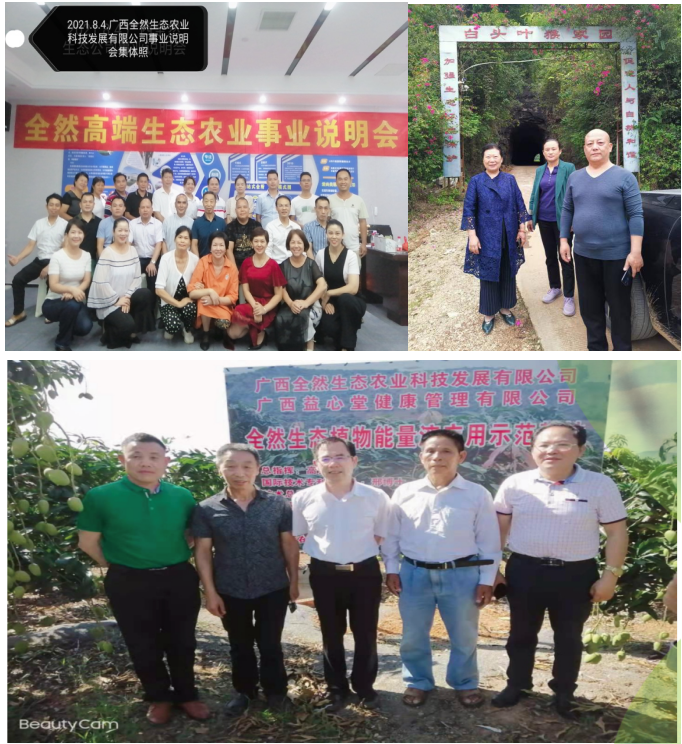
Planting crops with energy liquid of Xieshengyuan can make farmers invest less, have high yield, keep the original flavor, return to ecology without any chemical residue, completely reach the real national ecological standard, make agricultural products return to their original nature, save planting cost by 20-60%, improve crop yield by 10-30%, promote the increase of sales unit price by 20-200%, and effectively solve the problem. It can be said that the energy-liquid conversion technology of Shengyuan is a high-tech, low-cost and feasible project for benefiting the people. At present, the project has established more than 30 demonstration bases in Nanning; Dozens of demonstration bases have been established in Pu ‘er City, Yunnan Province, Zhengzhou, Henan Province, Beijing, Hebei, Xinjiang, Shandong, Jiangsu, Gansu, Tianjin and Shaanxi.
In the next step, Total Eco-company will respond to the call of the country, serve agriculture, countryside and farmers, actively cooperate with the party committees of provinces and cities, people’s governments at all levels and leaders of local agriculture, forestry and water departments, and conduct real-time management in combination with the application technology of Beidou. Fully serve the work of rural revitalization, drive farmers and agricultural enterprises to become rich, comprehensively promote ecological agricultural products, and build a landmark brand of one county and one township.

In the new era, it is necessary to have a new understanding of agriculture, and the height of future agriculture is the customized production industry of new life science occupations. Total Ecological Company strives to become a well-known agricultural enterprise, a famous brand product and a special policy project. Adhere to the high-tech barriers, publish authoritative data reports, publish academic theories on popular science, realize the promotion of "standardized, standardized, large-scale, and efficient" production methods, guide people to develop scientific healthy behaviors and lifestyles, and truly achieve a healthy and healthy life, so as to make people rich, the country prosperous, and China beautiful, and contribute to "healthy China". The road ahead will be tortuous, but it is also full of hope!
Disclaimer: The market is risky, so you should be careful when choosing! This article is for reference only, not as a basis for trading.